
Key Takeaways
- Exercise can strain joints through poor technique, overuse, sudden direction changes, falls, or repeated impact, especially in high-impact activities
- Testing a machine’s motion before committing to it can reveal whether the resistance feels smooth or whether it catches and jerks against sensitive joints
- Warming up for five to ten minutes, mastering form, and resting at least one to two days a week all play a role in keeping joints safe long-term
- The right cardio machine depends on which joints and movements a person’s body actually tolerates, so no single piece of equipment works for everyone
- SOLE Fitness explains that seated bikes, ellipticals, and stair climbers all offer cardio benefits with far less jarring on the knees, hips, and ankles than running – find more expert insights below
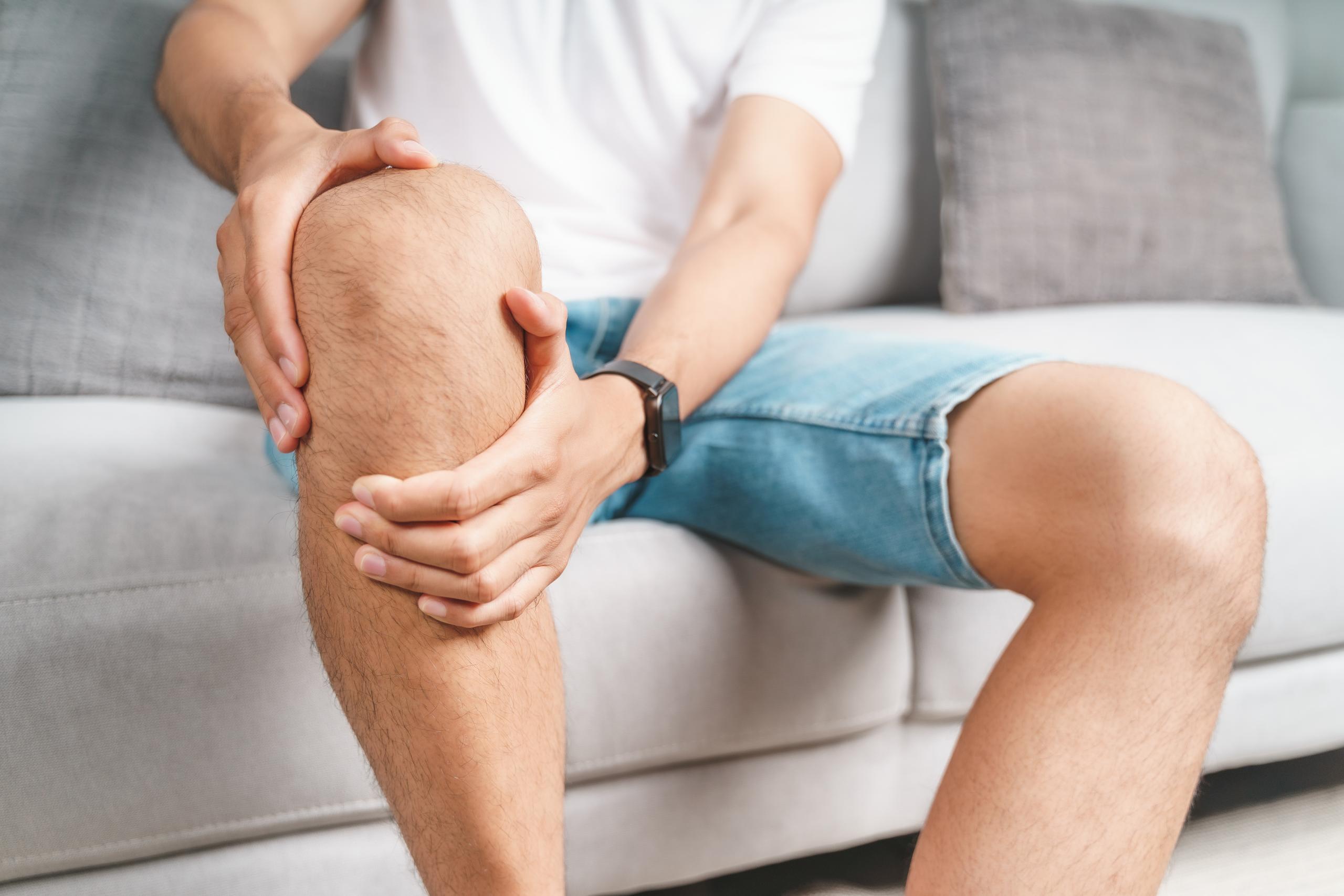
Sore knees or achy hips after a workout can feel discouraging, especially for anyone trying to build a consistent exercise habit at home. Joint discomfort doesn’t have to mean giving up on cardio.
Understanding why joints get irritated, and which machines tend to go easier on them, makes it possible to keep moving without the setbacks.
Why Your Joints Take the Hit
Joints absorb a surprising amount of force during everyday movement, and exercise multiplies that load. Every step, pedal stroke, or jump sends impact through cartilage, tendons, and the fluid that cushions each joint. When that load outpaces what the joint can comfortably handle, inflammation and soreness tend to follow.
This is especially true for the knees, hips, and ankles, which bear the body’s weight with every stride during activities like running or jumping. Over time, repeated stress in the same spot can wear down the tissue that normally protects the joint, which is why so many home exercisers eventually look for lower-impact alternatives. Choosing equipment that reduces this load from the start can make a meaningful difference.
How Exercise Injures Joints
Joint injuries during exercise rarely come out of nowhere. They usually build up from a combination of habits, choices, and physical demands that add up over weeks or months of training.
Common Triggers: Technique, Overuse, and Impact
Improper training technique is one of the most common culprits behind joint pain, particularly when someone tries an unfamiliar machine or lift without guidance. Overusing a single joint by repeating the same motion day after day is another frequent trigger, along with sudden changes of direction, falls, or other unexpected traumas during a workout. Asking a trainer or gym employee for a quick lesson on new equipment can help avoid these issues before they start.
Why High-Impact Activity Raises the Risk
High-impact exercises, meaning anything where the body strikes the ground with force, place extra stress on both joints and bones. Running, jumping, and certain sports drills fall into this category, and while they can be effective forms of exercise, they also demand more precise form to stay safe. When high-impact movement starts causing joint pain, switching to a lower-impact option is a practical way to keep training without aggravating the problem.
Cardio Machines That Ease Joint Stress
Some cardio workouts skip the pounding footfalls altogether. Several machines are built specifically to raise the heart rate while keeping stress on the joints to a minimum, which matters for anyone managing recurring discomfort.
Seated Bikes for Supported, Low-Impact Rides
A recumbent bike can make it easier to maintain proper posture compared to an upright bike, and the seated position may reduce pressure on the spine and hip joints. Seated cycling also keeps body weight off the feet entirely, lowering stress on the lower joints while still raising the heart rate. For anyone setting up a stationary bike at home, adjusting the seat so the knee stays slightly bent when the leg extends forward, rather than locking out completely, is a helpful starting point.
Ellipticals for Impact-Free Cardio
Ellipticals keep both feet in continuous contact with the pedals, which removes the jarring landing that comes with walking or running. This style of movement delivers solid cardiovascular exercise while putting less stress on the knees, hips, and ankles than higher-impact options. That smooth, gliding motion makes ellipticals a popular pick for people who want a challenging workout without the pounding.
Stair Climbers for Joint-Friendly Effort
Stair climbers offer another way to build cardio endurance and leg strength without the repeated impact of running. The stepping motion mimics a natural movement pattern, engaging the hips, knees, and ankles through a controlled range rather than a sudden strike against the ground. For home exercisers who enjoy a more standing, full-body style of cardio but still want to protect sensitive joints, a climbing motion can bridge the gap between high-impact training and fully seated options.
Choosing the Right Machine for Your Body
No two sets of joints respond to exercise in exactly the same way, which is why picking equipment often comes down to personal trial rather than a universal recommendation.
Seated vs. Standing: What Feels Better
Comparing seated equipment with standing equipment can help clarify which style actually feels better for a particular body. Someone with hip or lower back sensitivity might prefer the support a seated bike offers, while someone with ankle or wrist concerns might find a standing elliptical or climber more comfortable. Paying attention to which joints flare up during different movements is the clearest signal for narrowing down the options.
Test the Motion Before You Commit
Before settling on any machine, it helps to try the motion firsthand rather than relying on specifications alone. A machine’s resistance should feel smooth throughout the movement rather than catching or jerking at certain points, since a jerky motion can translate directly into joint strain. Testing a few different machines side by side, whether at a gym or showroom, makes it easier to spot which one moves naturally with the body.
Habits That Keep Joints Safe
Even the best equipment choice works better when paired with smart habits before, during, and after a workout.
Warm Up and Cool Down Every Session
A warm-up lasting five to ten minutes raises body temperature and blood flow, helping lubricate the joints before the main workout begins, and should stay light enough to avoid causing fatigue. Cooling down afterward brings the heart rate back to a normal resting range gradually, which helps limit blood pooling in the arms and legs, and stretching once the body is still warm can help maintain joint mobility over time.
Master Proper Form First
Poor form is one of the fastest ways to turn a routine workout into a joint problem. During strength movements, keeping the knees aligned over the ankles and avoiding locked knees are two form cues worth remembering. Wearing footwear suited to the specific activity also matters, and asking a trainer or gym employee for a quick walkthrough on unfamiliar equipment can prevent months of strain from a habit formed in the first week.
Vary Your Routine and Rest Regularly
Repeating the same movement on the same joints day after day invites overuse injuries, so mixing in different activities spreads the workload around the body. Rotating between a bike, an elliptical, and a climber, for example, challenges different muscle groups while giving overworked joints a break. Rest matters just as much as variety, and taking at least one to two days off per week in most cases gives joints time to recover between sessions. Easing into any new routine gradually, rather than jumping in at full intensity, also helps the body adapt without overwhelming the joints.
Adjust or Stop When Pain Appears
Pain during exercise is a signal worth listening to rather than pushing through. When a joint hurts mid-workout, resting or adjusting the routine makes more sense than continuing at the same intensity, and increasing effort gradually over time is safer than making abrupt jumps in workload. Reducing the intensity of a specific exercise, or swapping it for a different activity altogether, is also a practical way to manage pain without abandoning exercise entirely.
No Perfect Machine, Just the Right Fit
No single cardio machine works best for every joint, every body, or every stage of recovery. The strongest approach combines low-impact equipment, careful progression, and close attention to how a specific body responds to a specific movement. For a joint-friendly starting point, SOLE Fitness has more resources on low-impact equipment that can offer a way to build consistent cardio habits while keeping stress on sensitive joints to a minimum.
SOLE Fitness
56 Exchange Pl.
Salt Lake City
UT
84111
United States


