
UTulsa now the most affordable private research university in America’s heartland
PR Newswire
TULSA, Okla., Aug. 11, 2026
TULSA, Okla., Aug. 11, 2026 /PRNewswire/ — The University of Tulsa announced Tuesday that annual tuition and fees are moving from $54,000 to $25,000, making it the most affordable private research university in America’s heartland and serving as a leader in clearer pricing and increased accessibility at higher education institutions nationwide.
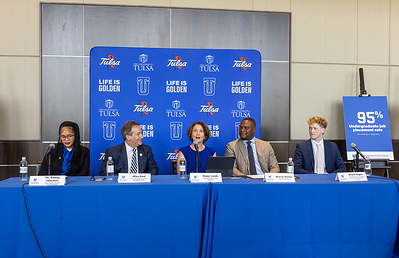
The new published rate for tuition and required fees is designed to more closely reflect what many students already pay, while keeping the same high-caliber faculty, small class sizes, abundant research opportunities, NCAA Division I athletics and exceptional job placement rates. Tuition and required fees will be set at $25,000 beginning in fall 2027. For first-time, full-time students, that rate will be locked in for four years. This makes financing a degree more dependable and enters the price range where far more families are already searching. It’s also clear that a premier, private education is attainable, particularly when federal, state and tribal aid and scholarships are applied.
Many students and families are questioning the value of a college degree in a sluggish national job market. A July Gallup survey found that only 12% of Americans believe four-year colleges are doing a good job of providing an affordable education. In contrast, Tulsa is ranked No. 6 in the nation for undergraduate students at getting jobs, according to the Wall Street Journal.
“In the past two decades, tuition rates nationally have ballooned. Many families feel that a college degree is out of reach and that college administrators are out of touch,” said University of Tulsa President Stacy Leeds. “Today, we announce that annual undergraduate tuition and fees will be set at $25,000, locked in for each student for their four years. Additionally, thanks to the depth of philanthropic giving and corporate support from our local partners, students who are eligible for need- and merit-based scholarships will pay far less than that.”
The bold move to reimagine the cost and financial aid structure for a Top 100 private research university is also designed to attract talented students to Tulsa and build a bright future for the city, state and region.
“The University of Tulsa is one of the most generous universities in the United States with more National Merit semifinalists than any private college in the nation. This tuition shift simply removes a hurdle that prevented many capable and qualified students from ever applying,” Leeds said. “When this university is seen as even more welcoming and attainable, conversations change for individual students and for Tulsa as a whole.”
The initiative has received enthusiastic support from the community, including the City of Tulsa, local public and private schools, tribal nations and philanthropic organizations as well as business and industry leaders.
“The competition for talent is one of the defining challenges facing cities across the country,” said Mayor Monroe Nichols. “Tulsa has an opportunity to lead by creating a model that combines educational excellence, affordability and career opportunity. Working with The University of Tulsa and partners from across our community, we can make Tulsa the first choice for students seeking extraordinary outcomes.”
Tulsa Regional Chamber President and CEO Mike Neal said the success of the business sector is riding on innovative ideas like this.
“By putting a premier, private university education within reach, The University of Tulsa is strengthening the talent pipeline that fuels economic growth across our region,” he said. “This move reflects a shared commitment to ensuring Tulsa remains competitive and continues to attract the next generation of executives, engineers, entrepreneurs, healthcare experts and civic leaders.”
 View original content to download multimedia:https://www.prnewswire.com/news-releases/utulsa-now-the-most-affordable-private-research-university-in-americas-heartland-302848976.html
SOURCE The University of Tulsa


