SLIDELL, LA, UNITED STATES, July 30, 2026 /EINPresswire.com/ — Heating and cooling systems depend on more than the equipment itself to maintain comfortable indoor temperatures. One of the most important factors influencing HVAC performance is proper airflow. Even a well-maintained heating and cooling unit may struggle to operate efficiently if air cannot move freely throughout the system.
Airflow refers to the movement of conditioned air through ductwork, vents, filters, and living spaces. Every component of an HVAC system is designed to work together to deliver the correct volume of air to each room. When airflow becomes restricted or unbalanced, comfort, efficiency, and equipment performance may all be affected.
Many homeowners associate heating and cooling problems with mechanical failures, but airflow issues are among the most common causes of uneven temperatures, rising utility costs, and reduced system performance. Fortunately, many airflow concerns can be identified before they develop into larger problems.
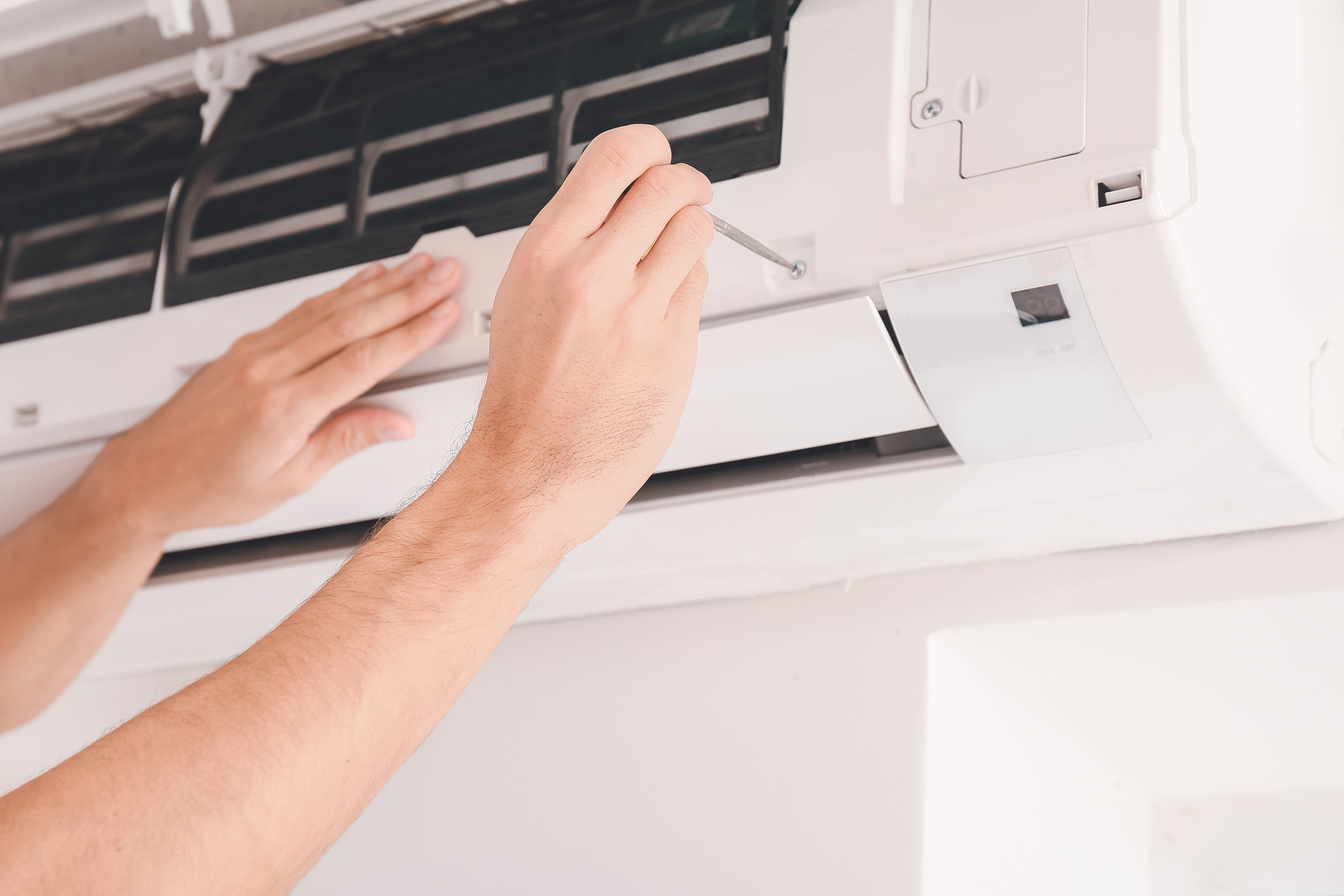
One of the simplest contributors to restricted airflow is a dirty air filter. HVAC filters capture dust, pollen, pet dander, and other airborne particles before they enter the equipment. As debris accumulates, airflow through the filter becomes increasingly restricted. The heating and cooling system must work harder to move air, placing additional strain on components while reducing overall efficiency.
Filter replacement schedules vary depending on filter type, household occupancy, indoor pets, and environmental conditions. Regular inspections help determine when replacement is needed rather than relying solely on a fixed calendar schedule.
Supply and return vents also play a significant role in airflow. Furniture, rugs, curtains, or storage items placed over vents can reduce the movement of conditioned air throughout the home. Closing multiple supply registers in unused rooms may seem like an effective way to conserve energy, but doing so can alter system pressure and reduce airflow to other areas of the home.
Ductwork is another essential component of the airflow system. Leaks, loose connections, crushed ducts, or deteriorating insulation may reduce the amount of conditioned air reaching living spaces. Air escaping through damaged ductwork forces the HVAC system to operate longer to achieve desired indoor temperatures. In some cases, conditioned air may never reach its intended destination.
Proper duct sizing is equally important. Ducts that are too small may restrict airflow, while oversized ducts can reduce air velocity and affect system balance. Modern HVAC design considers airflow calculations during installation to match duct capacity with equipment performance.
Blower motors serve as the driving force behind air circulation. These components move conditioned air through the duct system and into occupied spaces. If blower performance declines due to wear, electrical issues, or accumulated debris, airflow throughout the entire system may decrease. Routine maintenance helps identify potential blower concerns before they affect comfort.
Evaporator coils also depend on adequate airflow. These coils absorb heat from indoor air during the cooling process. Restricted airflow across the coil may reduce heat transfer and, under certain conditions, contribute to ice formation on the coil surface. Frozen coils reduce cooling capacity and often require service before normal operation can resume.
Indoor humidity is also influenced by airflow. Air conditioning systems remove moisture while cooling indoor air. Improper airflow may reduce the system’s ability to effectively manage humidity levels, leaving indoor environments feeling warmer than the thermostat setting might suggest. Balanced airflow helps support both temperature control and moisture removal.
Room-to-room temperature differences frequently result from airflow imbalances. Some rooms may receive less conditioned air because of long duct runs, improperly adjusted dampers, blocked vents, or insulation differences. Addressing airflow distribution often improves overall comfort without requiring replacement of the HVAC equipment itself.
Seasonal maintenance provides opportunities to evaluate airflow throughout the system. During professional inspections, technicians may examine filters, blower components, evaporator coils, duct connections, refrigerant performance, and system pressures. Identifying airflow restrictions early helps reduce unnecessary wear on heating and cooling equipment.
Home renovations may also influence airflow. Room additions, wall modifications, flooring changes, or remodeling projects can alter how air moves throughout a home. Existing duct systems may require adjustments to maintain balanced airflow following significant structural changes.
Airflow becomes especially important in larger homes or multi-story residences where heating and cooling demands vary throughout the building. Proper zoning systems, balanced duct design, and correctly adjusted dampers help deliver conditioned air where it is needed while maintaining consistent indoor comfort.
Energy efficiency is closely connected to airflow as well. HVAC systems that operate with unrestricted airflow generally experience less strain while reaching thermostat settings more effectively. Reduced operating time may contribute to lower energy consumption while helping extend the service life of major equipment components.
Indoor air quality also benefits from proper airflow. Consistent air circulation allows filtration systems to capture airborne particles more effectively while reducing stagnant areas where dust and contaminants may accumulate. Combined with regular filter replacement and routine maintenance, balanced airflow supports a healthier indoor environment.
“Airflow is one of the most overlooked parts of an HVAC system, yet it influences nearly every aspect of heating and cooling performance,” said Jennifer Lingo of LOUMIS Air, serving customers through multiple locations in Louisiana and Mississippi. “Filters, ductwork, vents, blower performance, and regular maintenance all work together to help conditioned air move efficiently throughout a home. Addressing airflow concerns early often improves comfort while supporting long-term equipment performance.”
As homeowners continue looking for ways to improve comfort and energy efficiency, understanding the importance of airflow remains an essential part of HVAC system maintenance. Regular inspections, proper filter care, unobstructed vents, and attention to duct performance all contribute to reliable heating and cooling throughout every season while supporting the long-term operation of residential HVAC systems.
Morgan Thomas
Rhino Digital, LLC
+1 504-875-5036
email us here
Visit us on social media:
Facebook
Legal Disclaimer:
EIN Presswire provides this news content “as is” without warranty of any kind. We do not accept any responsibility or liability
for the accuracy, content, images, videos, licenses, completeness, legality, or reliability of the information contained in this
article. If you have any complaints or copyright issues related to this article, kindly contact the author above.

Media gallery