
The 2026 Global Peace Index indicates that the global peace environment continues to deteriorate. In addition to conflicts reaching record levels, the nature of warfare is also being transformed by technological advancements, making the preservation of peace a shared challenge for the international community.
TAIPEI, TAIWAN (MERXWIRE) – The 2026 Global Peace Index (GPI), released by the Institute for Economics and Peace (IEP), covers 163 countries and territories representing approximately 99.7% of the world’s population. Based on 23 qualitative and quantitative indicators, the index evaluates peace levels across three major dimensions: societal safety and security, ongoing domestic and international conflicts, and militarization. Countries are ranked according to their overall scores, with lower scores indicating higher levels of peace. The GPI remains one of the most widely recognized global assessments of peace.
Global peacefulness in 2026 has fallen to its lowest level since the Global Peace Index was first published. It also marks the year with the largest number of countries experiencing a decline in peace since the assessment began in 2008. Over the past year, 99 countries recorded worsening peace conditions. Compared with the first index released in 2007, 119 countries, or approximately 73% of all assessed nations, are now less peaceful than they were at that time, highlighting the continued deterioration of the global security environment.
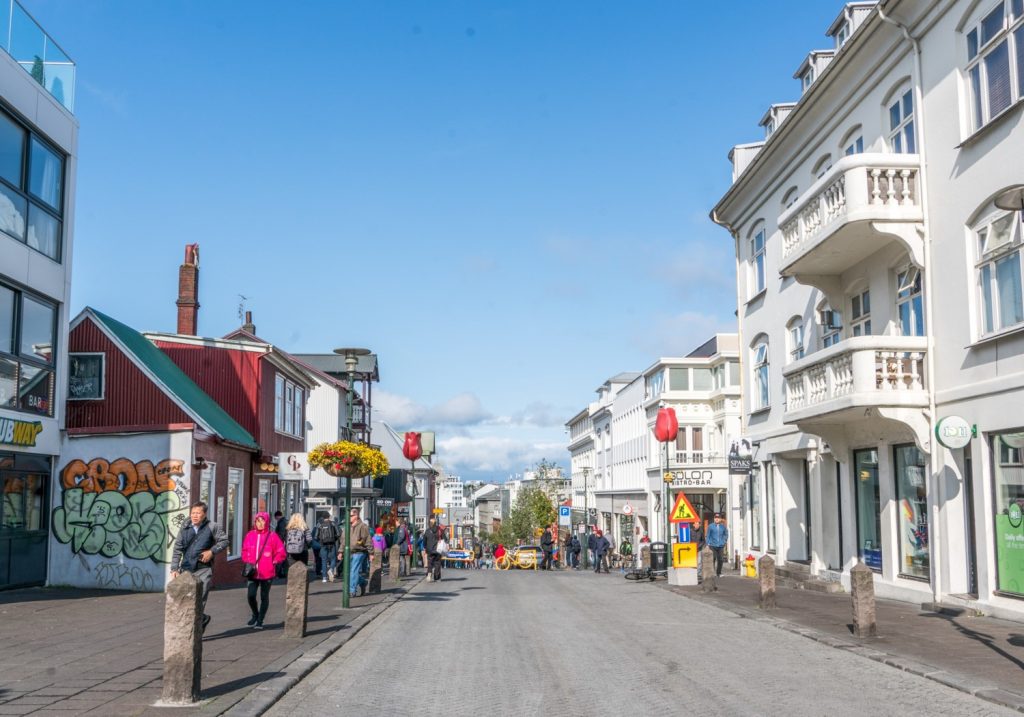
This year’s ranking shows that Iceland secured the top position for the 19th consecutive year with a score of 1.161. New Zealand, Switzerland, Slovenia, and Ireland ranked second through fifth, respectively. Austria, Portugal, Singapore, Finland, and Japan placed sixth through tenth. The results demonstrate that European countries continue to dominate the global peace rankings, while Singapore and Japan represent Asia among the world’s top ten most peaceful nations.
2026 Global Peace Index Top 10
| Rank | Region | Score |
|---|---|---|
| 1 | Iceland | 1.161 |
| 2 | New Zealand | 1.343 |
| 3 | Switzerland | 1.363 |
| 4 | Slovenia | 1.369 |
| 5 | Ireland | 1.371 |
| 6 | Austria | 1.421 |
| 7 | Portugal | 1.427 |
| 8 | Singapore | 1.435 |
| 9 | Finland | 1.478 |
| 10 | Japan | 1.489 |
Among individual country rankings, Poland recorded the largest improvement in peacefulness this year, rising to 22nd place globally. The United States, however, dropped to 134th place due to factors including increasing political instability. The lowest-ranked countries were South Sudan, Israel, Ukraine, the Democratic Republic of the Congo, Sudan, and Russia, with Russia ranking 163rd as the least peaceful country in the world.
IEP analysis indicates that the world is currently experiencing a period of “Great Fragmentation,” in which geopolitical structures are rapidly being reshaped. The influence of middle powers is increasing, while the traditional dominance of major European powers is relatively declining. These shifts have made international relations more complex and have made conflicts increasingly difficult to resolve through diplomatic efforts.
Data shows that the number of countries involved in external conflicts has increased from 59 in 2008 to 103 in 2026, nearly doubling over the period. Global conflict-related deaths exceeded 181,000 in 2025, six times higher than in 2008, remaining at historically elevated levels. The report notes that global peace has reached its lowest point since the index was introduced, while the underlying conditions contributing to conflicts have deteriorated to their most severe level since the end of World War II.
Beyond the escalation of traditional conflicts, the nature of warfare is also changing rapidly. The report highlights that drone attacks worldwide increased by more than 11,500% between 2018 and 2025. Artificial intelligence has further reduced the time required for identifying military targets and making attack decisions from more than a day to only a few seconds, marking the first time machines have been able to complete life-and-death battlefield decisions faster than humans. However, international regulations and diplomatic mechanisms have failed to keep pace with technological progress, creating a new challenge for global governance.
Meanwhile, the economic costs caused by violent conflicts continue to rise. According to the report, global economic losses associated with violence reached US$21.81 trillion in 2025, increasing 3.2% year-on-year and accounting for approximately 10.5% of global GDP. Global military expenditure also reached a record high of US$2.9 trillion in 2025. Even excluding the United States, military spending among other countries still increased by 9.2%, reflecting continued increases in defense investment in response to growing security risks.
IEP emphasizes that global conflicts not only undermine peace but also impose enormous economic costs, highlighting the importance of reducing conflict risks through diplomacy. The report estimates that effective diplomatic efforts to prevent further escalation of conflicts involving Iran could generate approximately US$2.2 trillion in economic benefits for the global economy. As the world faces rising conflicts, rapid advances in military technology, and a restructuring of the international order, strengthening multilateral cooperation, improving international frameworks, and enhancing diplomatic coordination will be critical to maintaining global peace in the future.


